


Why choose Rising?
M O D U L A R I T Y
- Choose Handle Length
- Select Hoop Size
- Configure Bag Depth
- Interchange all components easily.
Proudly made in USA
RECENT TOP SELLER


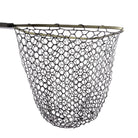


Best in Class
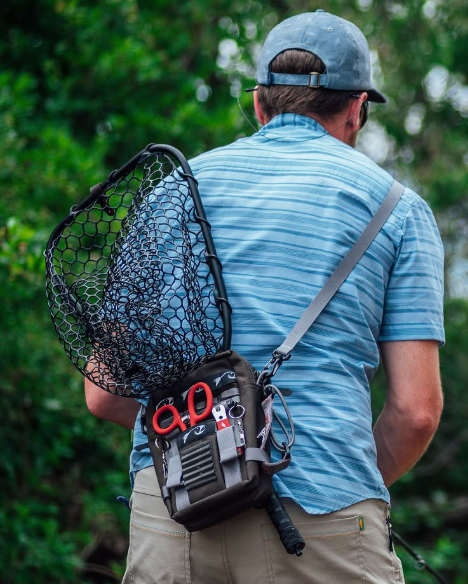
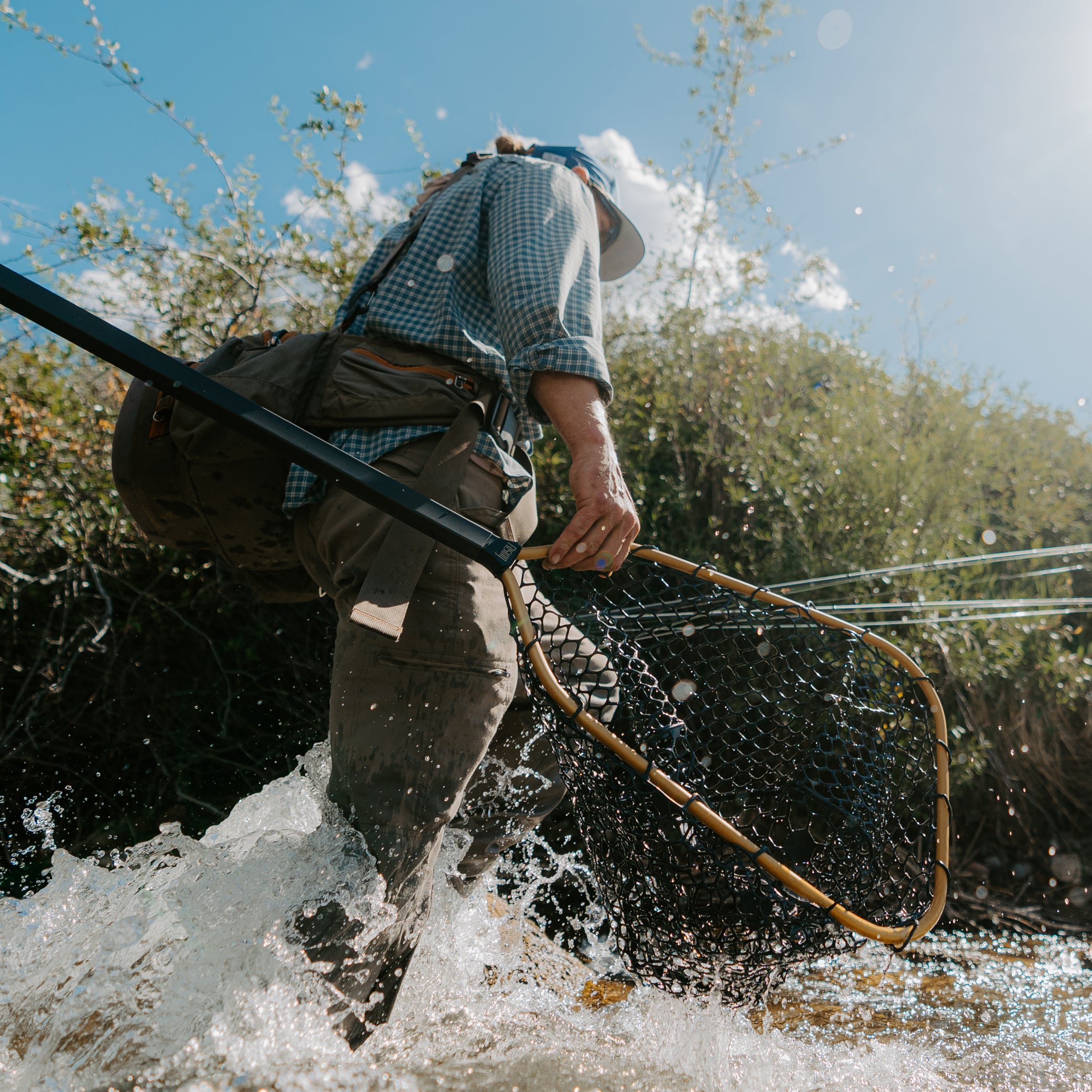
We don’t build ordinary fishing nets, we build complete net systems.
Our modular design lets you customize every component to match how, where, and whatever you're fishing for.
Made in the USA with premium, fish-safe materials, we deliver options, durability, and performance.
This is what sets us apart from the rest.
On The Rise
Depredation (AKA The Tax Man)
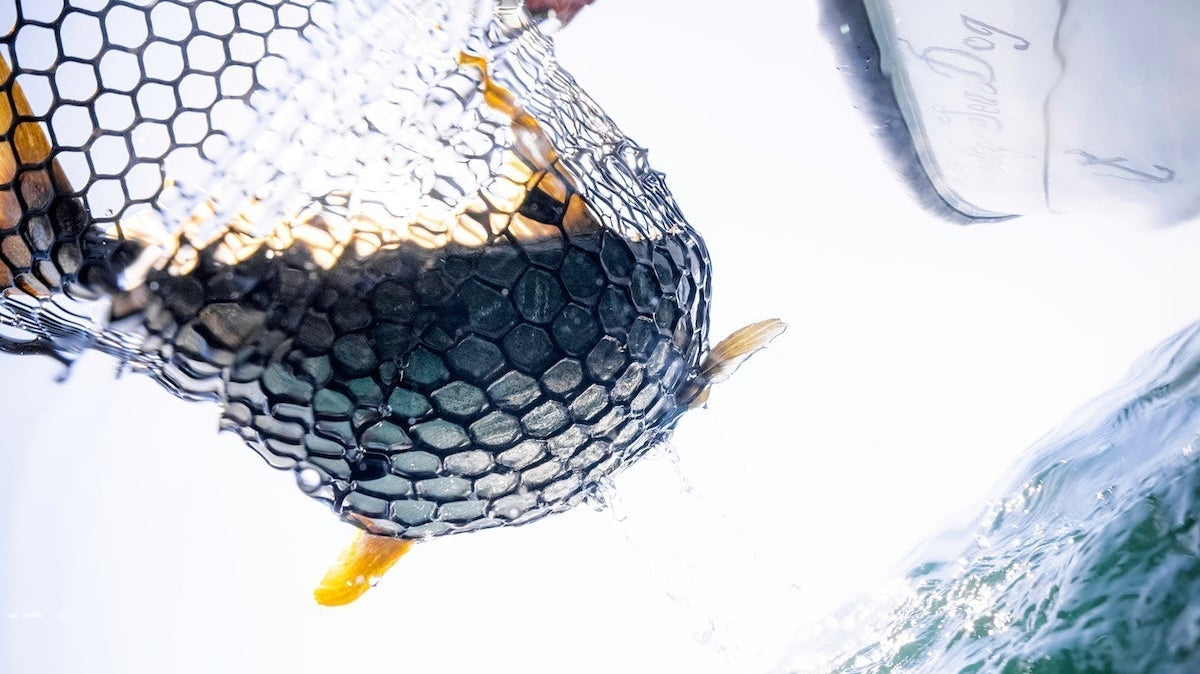
Depredation happens when a predator targets a fish that is tired, disoriented, or slow to recover. Anglers often see it with sharks eating hooked bonefish or tarpon, but the more common version occurs after release when a weakened fish cannot swim away quickly enough. Extended air exposure and exhaustion make released fish vulnerable. Using a net to shorten the fight, keep the fish wet, and support proper recovery gives it the strength it needs to escape predators once it swims out of your hands.

Catch & Care
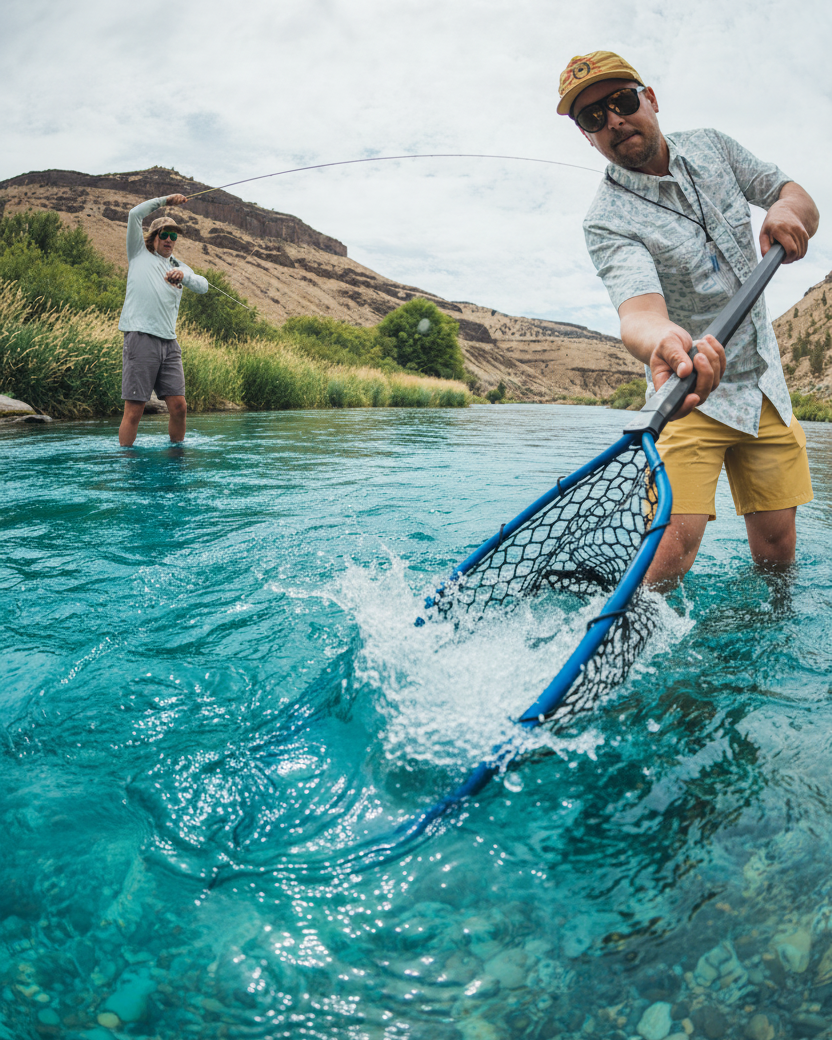
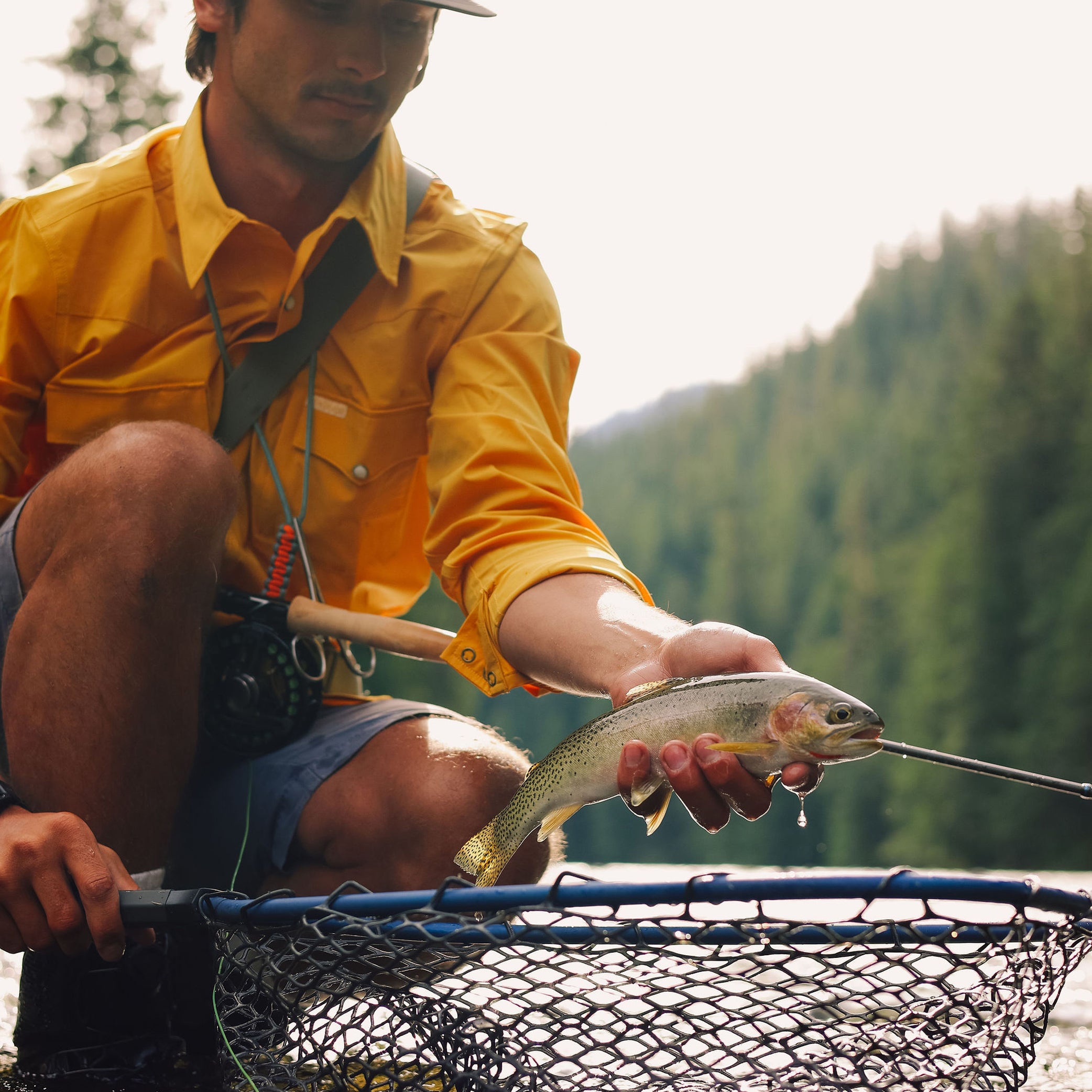
Catch and release is only part of the story. What matters most is how the fish returns to the river. Catch & Care is about landing fish quickly, keeping them in the water, and handling them gently so they can recover and swim away strong. Small choices in the moment make a big difference for the fish and for the rivers we love.

The Role of Basket Depth in Fish Recovery
Basket depth plays a critical role in how a fish recovers after landing. A deeper basket allows the fish to settle, remain upright, and stay submerged while stress levels drop and oxygen balance returns. By reducing thrashing, air exposure, and instability, the right basket depth supports faster recovery and a stronger swim away after release.

The Last Moment
Catch and release has become the standard in fly fishing. We talk about barbless hooks and water temperatures, about fighting fish quickly and keeping them wet. But the most important moment often goes unexamined. What happens at the net can determine how a fish leaves. The landing deserves more thought than it gets.

Why a Proper Hook Removal Tool Protects Fish Health
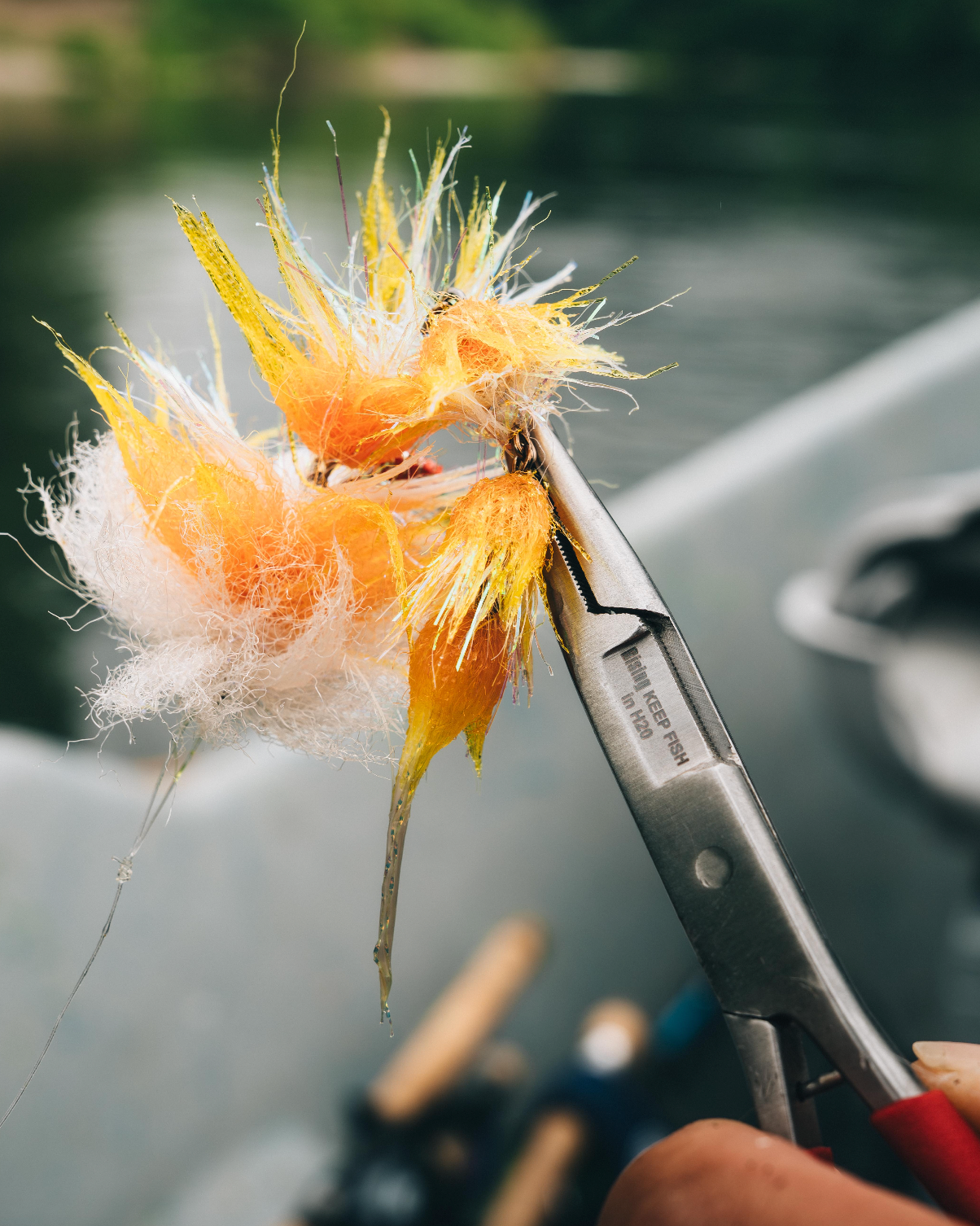
A proper hook removal tool shortens handling time, keeps fish in the water, and allows the hook to come out cleanly with far less stress. By controlling the hook instead of the fish, anglers protect the slime coat, reduce air exposure, and improve recovery after release. The right tool turns a stressful moment into a fast, safe one for both the fish and the angler.

Debarbing Hooks
Debarbing a hook is one of the simplest ways to improve fish safety, comply with regulations, and keep everyone in the boat out of the emergency room. Whether required on regulated rivers, chosen for a more sporting fight, or used to make hook removal easier, a proper debarb starts with the right tool. Rising pliers and debarbing tools flatten barbs cleanly and consistently, which means faster releases, less handling, and safer fishing for both anglers and fish.

